Protecting Your Water Heater From Hard Water in the Tri-Cities
If you live in Cambridge or the surrounding areas, you are likely familiar with the reality of hard water. Our region's groundwater is naturally rich in minerals like calcium and magnesium. While these minerals are perfectly safe for drinking, they can wreak havoc on your home's plumbing systems over time. One of the most vulnerable appliances in your home is the very system you rely on for warm showers and clean dishes.
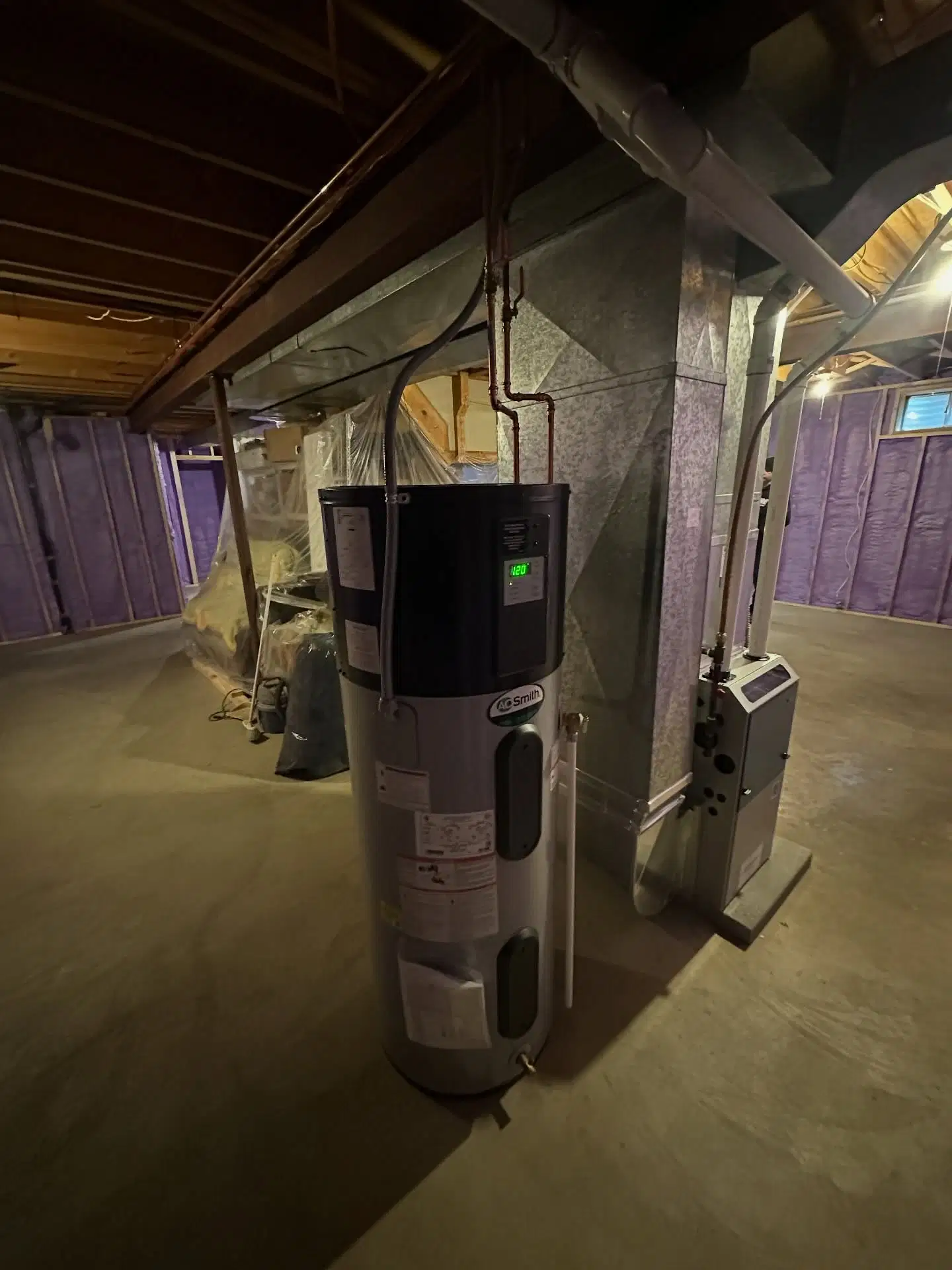
Many homeowners do not fully realize exactly how hard water affects water heater efficiency and lifespan. When hard water is heated, the dissolved minerals crystallize and settle at the bottom of the tank. Over months and years, this creates a thick layer of scale and sediment. This buildup acts as an insulating barrier between the heating element (or gas burner) and the water itself. As a result, your system has to work much harder and consume significantly more hydro just to reach your desired temperature.
With high upfront costs for modern, energy-efficient appliances, premature replacement is a financial burden most families want to avoid. By understanding how to identify mineral buildup and taking proactive steps to protect your equipment, you can extend the life of your system, lower your monthly energy bills, and ensure reliable hot water whenever you need it.
Recognizing the Warning Signs
Catching mineral accumulation early is the key to preventing irreversible damage. If you know what to look and listen for, you can address the problem before it leads to a complete system failure or a costly emergency leak.
One of the most common signs of water heater sediment buildup is a distinct popping, rumbling, or knocking sound coming from the tank. This noise occurs when water gets trapped beneath the layer of hardened sediment at the bottom of the tank. As the heating element warms up, the trapped water boils, turns to steam, and forces its way up through the mineral crust, creating those alarming sounds.
Another clear indicator is fluctuating water temperatures or running out of hot water faster than you used to. Because the sediment displaces water inside the tank, your overall hot water capacity is reduced. You might also notice that the water coming out of your faucets appears cloudy or has a slightly metallic odor, which is often a result of dissolved minerals and sediment making their way into your home's plumbing lines.
Ignoring these symptoms can lead to severe operational issues. The constant overheating caused by the insulating sediment layer can weaken the steel tank, eventually causing it to crack and leak. When you consider the cost of unexpected hvac repair and the potential for water damage in your home, regular preventative maintenance becomes an incredibly smart investment.

The Solution: Softening Your Water
While annual flushing by a certified technician can help manage sediment, the most effective long-term solution is to stop the minerals from entering the tank in the first place. This is where treating your home's water supply makes a massive difference.
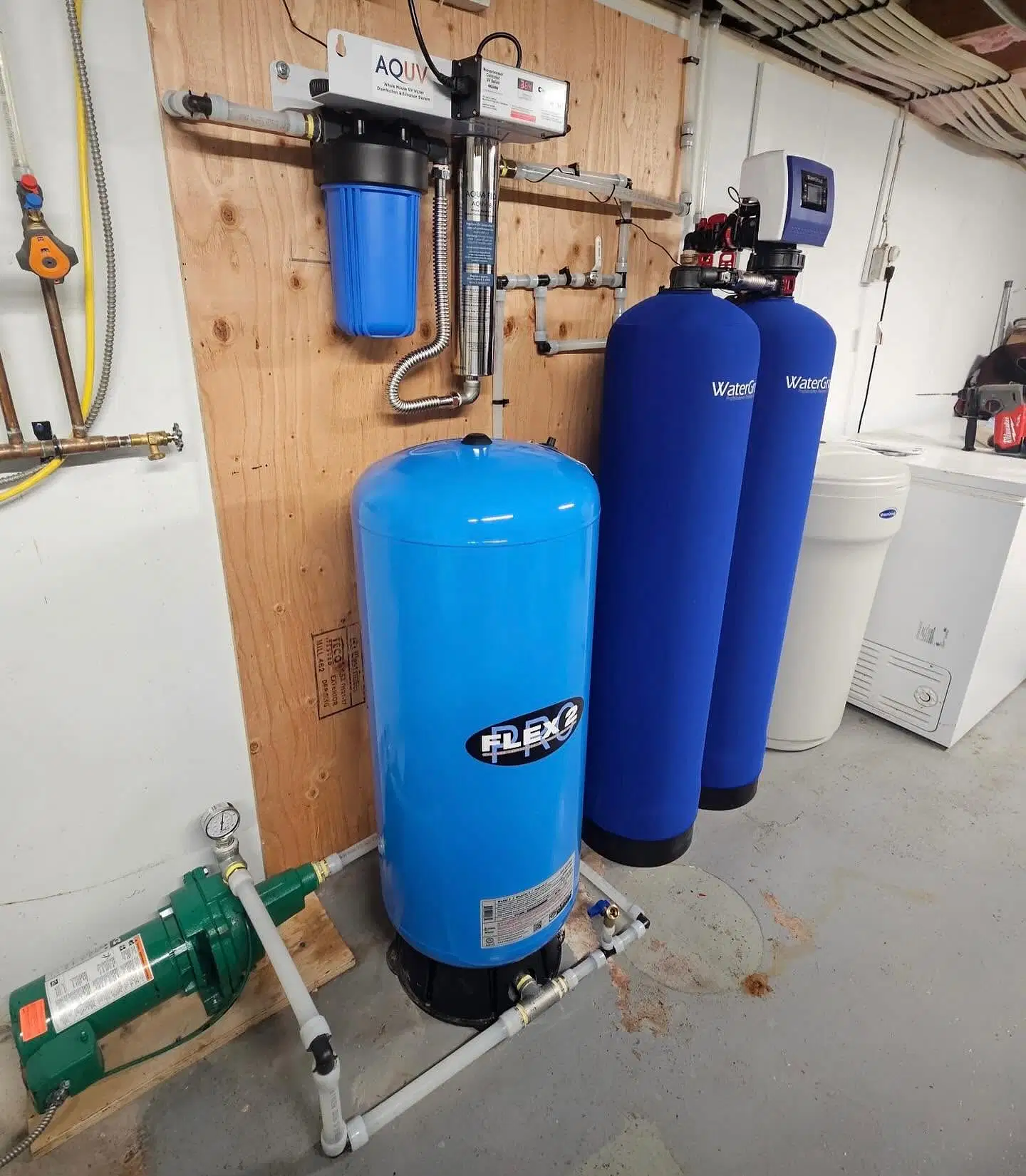
The benefits of a water softener for your water heater are substantial. A water softener works by removing calcium and magnesium ions through a process called ion exchange before the water ever reaches your heating system. Without these hard minerals present, scale simply cannot form.
Installing a water softening system protects your investment in several ways:
- Restores Energy Efficiency: Without a crust of sediment blocking the heat transfer, your water heater uses significantly less energy to warm the water, keeping your monthly hydro bills in check.
- Extends Equipment Lifespan: A clean tank is far less prone to overheating, corrosion, and stress fractures, meaning your water heaters will last years longer than they would in a hard water environment.
- Improves Daily Comfort: Soft water provides better water pressure, eliminates cloudy hot water, and leaves your skin and hair feeling less dry after a shower.
For families and busy professionals looking to optimize their home comfort while avoiding the surprise costs of emergency hvac breakdowns, tackling hard water at the source is a highly practical choice.
Comprehensive Care for Your Home
Whether you are tired of dealing with lukewarm showers or you want to proactively protect your newly installed equipment, ThermalCare Heating & Cooling is here to help. Our fully licensed and background-checked technicians take pride in providing transparent, honest, and reliable hvac services to our neighbors throughout the Tri-Cities.
We specialize in comprehensive solutions designed for our specific local climate and water conditions. From routine preventative maintenance on your existing systems to expertly installing modern water softeners, furnaces, air conditioning units, and smart thermostats, we have the expertise to keep your home comfortable, efficient, and safe year-round.
If you suspect hard water is taking a toll on your mechanical systems, don't wait for a breakdown. Reach out to ThermalCare Heating & Cooling today to schedule an inspection or to learn more about how our water treatment and heating solutions can benefit your home.